
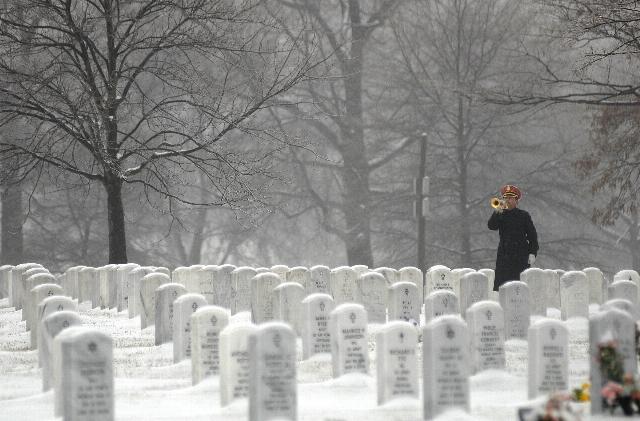
The debt paid by America’s fallen is unpayable, but it is not unteachable; it is written in sacrifice, in folded flags, in names etched into stone.
Memorial Day compels Americans to confront a word we avoid: debt. Not the financial kind that Congress pretends will magically resolve itself, but the older, heavier meaning — the kind carved into headstones at Arlington and cemeteries across the country. It is the debt paid in full by those who gave their lives, so the rest of us could live free.
No interest rate can measure it. No budget line can contain it. It is final, irrevocable, and sacred.
Every year, we pause, as we should, to acknowledge that liberty is no accident. Its purchase price is steep. Many stood a post, walked point, climbed into a cockpit, or sailed into hostile waters so that we could enjoy the ordinary luxuries of American life: arguing about politics, grilling in the backyard, complaining about work, raising families in relative peace. The fallen paid the ultimate debt, while the rest of us live on the dividends of their courage.
There remains another debt that all Americans must face, one far less noble and far more self-inflicted: the national debt that at $39 trillion is growing faster than the economy and its current path is unsustainable with interest payments amounting to $1 trillion a year — a figure most cannot comprehend.
Unlike the solemn debt honored on Memorial Day, this one grows not from sacrifice but from avoidance, avarice and unaccountability. It is the bill we keep pushing onto future generations because those elected lack the discipline and forbearance to make the difficult choices.
The contrast is stark.
On one side are the young Americans who never hesitated when their country asked for everything. On the other, a political culture that bemoans over the smallest act of fiscal restraint. The fallen gave their lives, while Washington can’t forego a spending increase.
The laws of economics will not suspend themselves out of patriotic courtesy. We borrow to fund today’s comforts while expecting tomorrow’s citizens, many of whom are not yet born, to pay the bill.
The contrast is telling and that is the point.
If we truly want to honor their memory, we can start by adopting even a fraction of that discipline. We can demand leaders who treat the national debt as a real threat, not a distant abstraction. We can stop pretending that borrowing without limit is a harmless national pastime. And we can remember that the freedoms secured by the fallen are weakened when the nation they died for is weighed down by obligations it cannot meet.
The debt paid by America’s fallen is unpayable, but it is not unteachable. It is written in sacrifice, in folded flags, in names etched into stone.
One debt was paid in blood. The other is being charged to our children.
And if we forget the difference, then we have learned nothing from those who paid the first.
May 25, 2026


This was a deeply reflective piece. The contrast between the sacrifice of America’s fallen and the burden of a growing national debt was presented with great clarity and conviction. The line, “One debt was paid in blood. The other is being charged to our children,” truly captures the weight of the message.
As someone who has never stepped foot on American soil, I still deeply recognize and respect the sacrifices of the men and women who fought and died, not only for their country, but in wars that shaped and impacted the world. Wishing you and every American a meaningful Memorial Day as you honor those whose courage and sacrifice will never be forgotten.